Cctv- betekenis van acroniem
Het gebruik van CCTV als acroniem biedt efficiëntie en beknoptheid, bespaart tijd en ruimte in de communicatie en brengt tegelijkertijd professionaliteit en expertise binnen specifieke sectoren over. Closed-circuit television (CCTV) is een benaming voor een beeldverbinding over een gesloten circuit of netwerk. Of anders gezegd, televisie over een gesloten verbinding. Daarmee wordt bedoeld dat de televisiebeelden (of camerabeelden) niet publiekelijk uitgezonden worden of te ontvangen zijn; er is in principe sprake van een absolute controle. 


Security camera system definition A video surveillance system is a network of cameras, monitors/display units, and s can be analog or digital, with various features to explore, such as resolution, frame rate, colour type, and more.
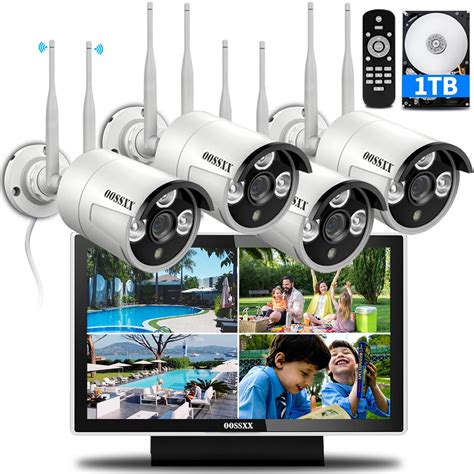
Video surveillance term Video surveillance systems are essential for protecting people and places. As a core component of physical security, they provide video evidence and actionable insights into incidents that occur. Modern IP-connected, cloud-managed surveillance systems can enhance an organization’s security posture with advanced features like remote access.

Cctv- betekenis van acroniem CCTV – de betekenis. De letters CCTV staan voor Closed Circuit Television, wat refereert naar eigenlijk de kern van het systeem in twee delen. Closed Circuit Bij CCTV camerabewaking spreken we over een gesloten circuit, dat zoveel betekent dat anderen geen toegang kunnen krijgen tot dit systeem. Logisch, want je wilt niet dat iemand meekijkt.
Closed circuit television abbreviation
Closed-circuit television (CCTV), also known as video surveillance, [1] [2] is the use of closed-circuit television cameras to transmit a signal to a specific place on a limited set of monitors. Perhaps you already saw the term "CCTV" while researching around, but you don't know what it means. What is CCTV? CCTV stands for Closed-Circuit Television. It's a video surveillance system used for security purposes. Closed circuit television abbreviation Unlike broadcast television, closed-circuit television (CCTV) does not openly transmit its signal to the public but rather between set points that are decided by the camera’s owner or operator. CCTV is often used by private companies, such as retail stores, to prevent crimes, particularly theft.Surveillance camera acronym
In surveillance, this means that a camera will encode the entire image as is, and not the predicted changes as seen with P or B frames. P-Frame - A P-frame can be thought of as " p redicted picture", which holds only the changes in the image from the previous frame. how to understand security camera business and people, the security industry acronyms that security sector uses, the terms you have to know in security camera business, the unique words security camera employees use.- Surveillance camera acronym CCTV stands for Close-Circuit Television. It is a system that can transmit video streaming from cameras directly connected to a central video recorder device, DVR, or NVR. In commercial terms you will hear about Surveillance System, Home Camera System or Security Camera System all referring to Closed Circuit Television System.